
Langtang Valley Trek

Duration
10 Days
Trip Grade
Moderate
Country
Nepal
Maximum Altitude
5,033 m
Starts
Kathmandu
Ends
Kathmandu
Activities
Trekking
Best Time
Spring (March-May) and autumn (September-November)

The Langtang Valley trek is famous for its gorgeous landscapes, welcoming locals, and stunning mountains such as Ganesh Himal, Langtang Range, Dorje Lhakpa, Sishapangma, etc.

The Langtang region is the closest trekking region to Kathmandu. You can reach the starting point of the Langtang Valley trek, Syabrubesi, in just 6 to 7 hours of driving from Kathmandu.

The Langtang Valley trek route used to be one of the most popular trekking regions in Nepal. However, after the 2015 earthquake, the region's population sharply fell.

Now, the Langtang Valley trail has become one of the least busy trekking routes in Nepal. And the best part is that the trekking infrastructure is incredible.

If you are in search of a popular trekking region that is less crowded in the peak trekking seasons and offers nice service for the trekkers, the Langtang Valley trek is for you.

Langtang Valley trek introduction

While many recognize the Everest Base Camp and Annapurna Base Camp treks, the Langtang Valley trek remains a very loved name among the OG trekkers.

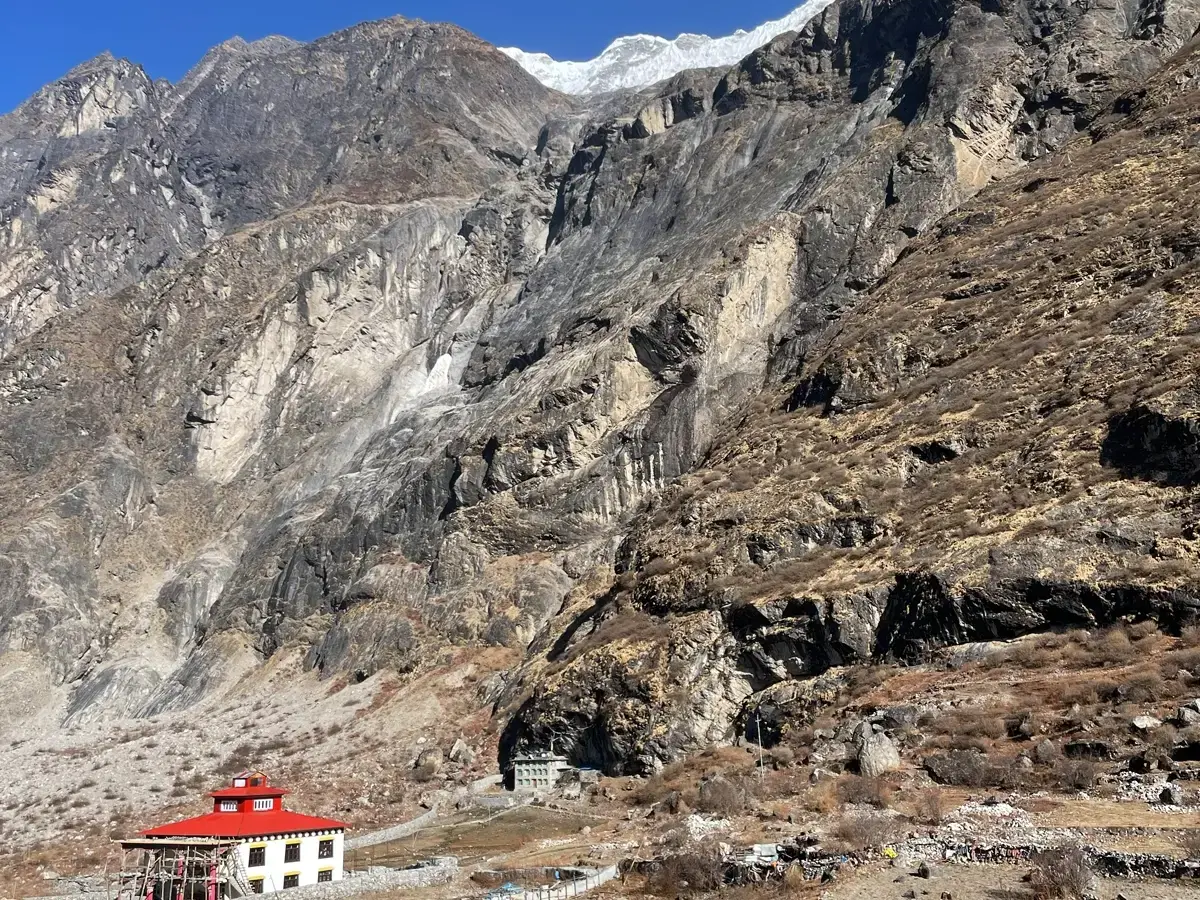
This trek takes you to the upper reaches of Langtang Valley, known as the valley of glaciers. The trail is within the Langtang National Park and passes by the beautiful villages of the Tamang community.

During the Langtang Valley trek, you will see panoramic views of Langtang Lirung, Ganesh Himal, Sishapangma, Gaurishankar, Yala Peak, Dorje Lhakpa, Ganchenpo, etc.

The Langtang Valley trek is very adventurous and satisfying. The trek begins from Syabrubesi, a small town on the edge of the Langtang National Park.

Following the standard route, you will follow the Langtang River and ascend the steep, narrow valley. The trail goes through rhododendron and bamboo forests and crosses alpine meadows and yak pastures.

Kyanjin Gompa is the highest settlement in the Langtang Valley. You will spend nights in Lama Hotel and Langtang village on the way to Kyanjin Gompa.

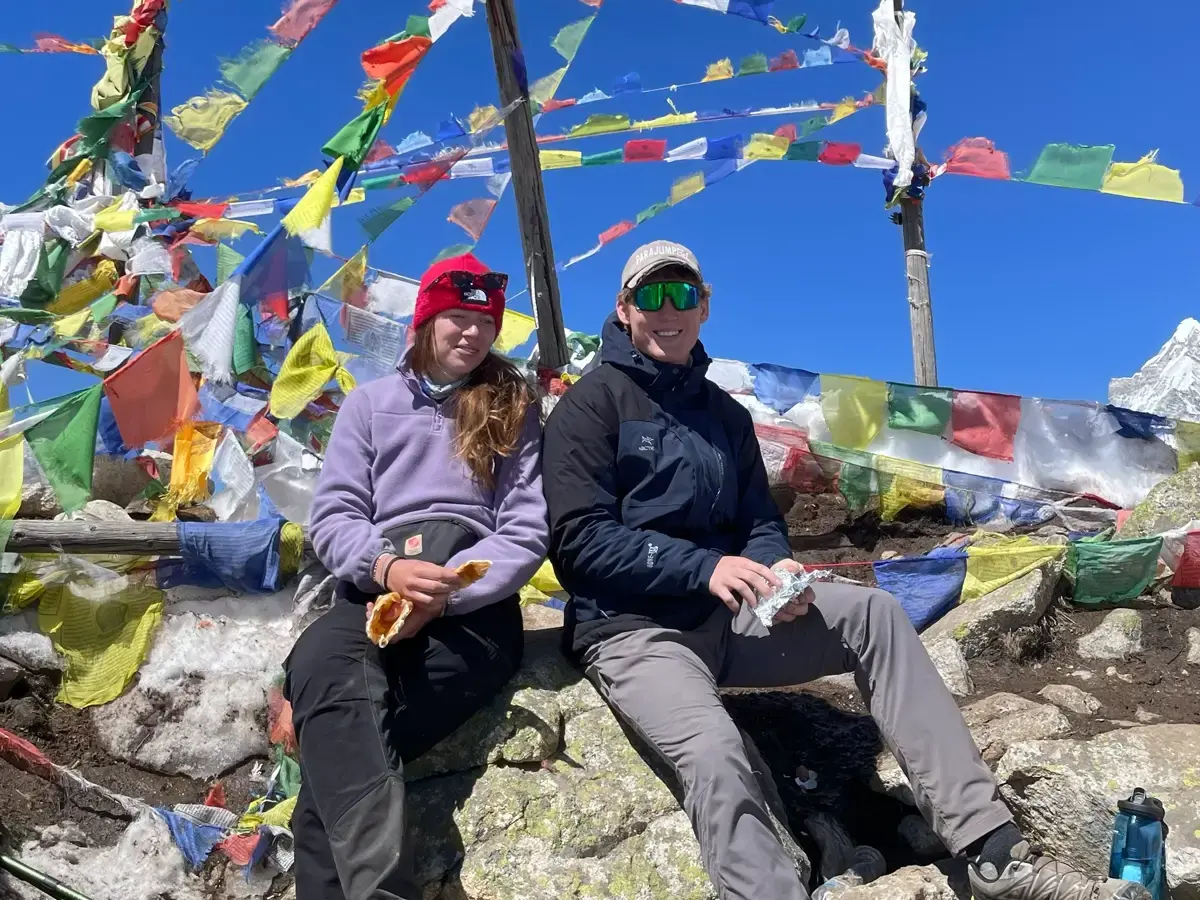
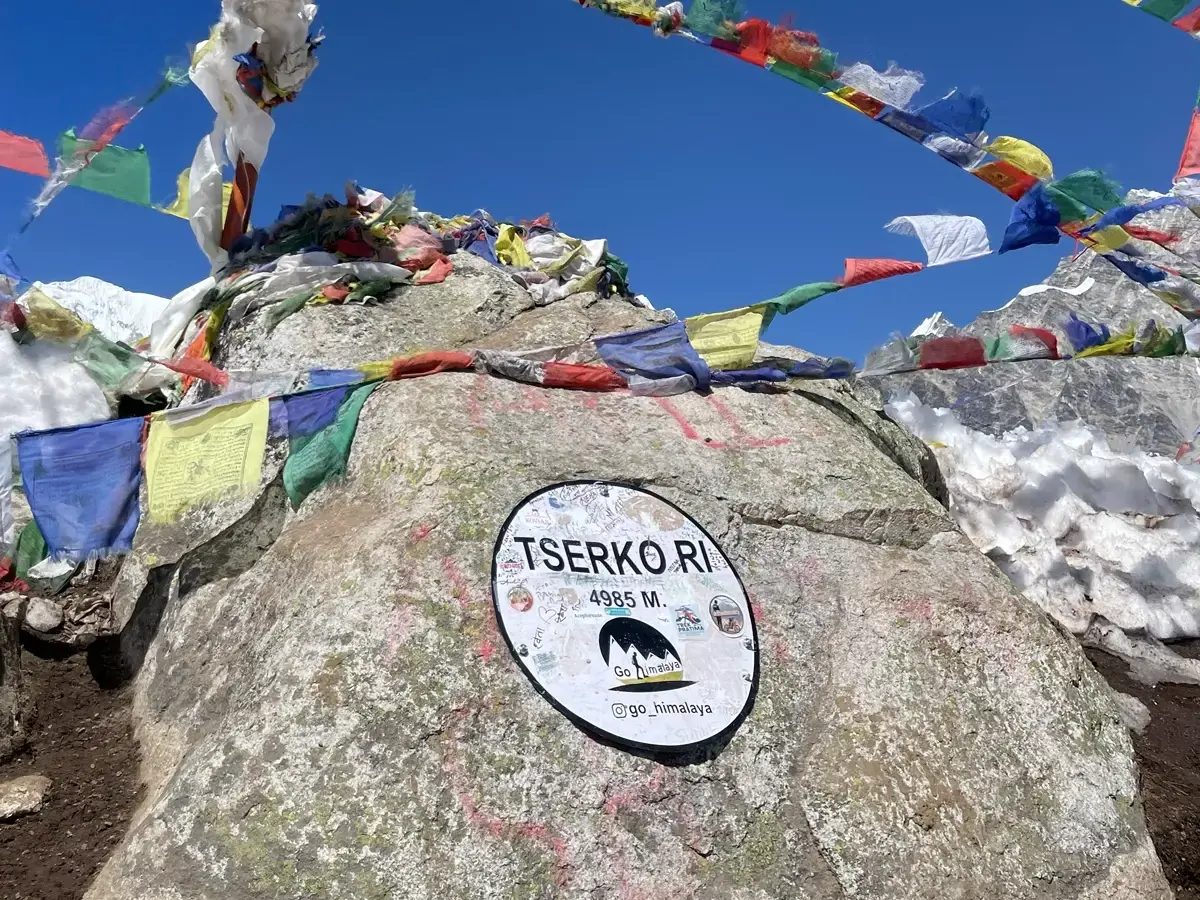
From Kyanjin Gompa, you will go on a final hike to Tserko Ri or Kyanjin Ri to catch a stunning sunrise and sensational mountain view. It will be a challenging hike given the high altitude and rocky terrain.

Packed with adventure, cultural encounters, yaks, friendly villagers, and local experiences like a visit to the Yak Cheese factory and monasteries, the Langtang Valley trek offers a complete mountain experience.

What to expect during the Langtang Valley trek 10 days?

➜ Easy accessibility: For most treks in Nepal, you either have to take a domestic flight or travel to another city. However, the Langtang Valley trek route can be reached in just a 6 to 7-hour drive from Kathmandu. There is no chance of any delays.

➜ Easy to follow trails: The Langtang Valley trail is well-established and straightforward. On top of that, our guide will help you navigate it safely. Even a first-time trekker can navigate the Langtang Valley trail safely with little guidance. Overall, the route is less confusing and risky.

➜ Family-run lodges: Ample lodges and guesthouses have been built all over the Langtang Valley trek route. Most of these lodges are basic but comfortable. You will have homemade meals and enjoy warm hospitality.

➜ Tamang culture and traditions: The Tamang community is the highlight of the Langtang Valley trek. Tamangs are also an indigenous Nepalese community. It is believed that they are descendants of Tibetans. The traditional stone houses, prayer flags, mani walls, stupas, and their lifestyle are part of your exploration.

➜ Peaceful trails: Unlike other famous trekking routes in Nepal, the Langtang Valley trail is less busy during the peak trekking seasons. Trekkers can enjoy a peaceful walk surrounded by nature and mountains. The villages are quiet. You will have a stronger connection to nature.

➜ Incredible mountain vistas: On the Langtang Valley trek, you will witness close-up mountain views of Langtang Lirung, Sishapangma, Ganesh Himal, Yala Peak, Gaurishankar, Gangchenpo, etc. Likewise, you will also hike to the Tserko Ri viewpoint to witness the heavenly mountain panorama.

➜ Diverse scenery: In just 6 days of trekking, you will witness a wide variety of landscapes. Traveling from subtropical forests to alpine meadows and glacial valleys, the scenery changes drastically each day.

Stupas and monasteries: The Langtang Valley trek route has many stupas, mani walls, prayer flags, chortens, monasteries, and prayer wheels. Although it is a remote mountain adventure, the cultural encounters are equally incredible on this trek.

➜ High-altitude experience: Do not underestimate the short trekking duration of the Langtang Valley trek. You will ascend almost 5,000 meters in just six days of trekking. The Langtang Valley trek is an excellent high-altitude trek.

Is the Langtang Valley trek suitable for you?

If you are looking for a trek under 10 days in Nepal, the Langtang Valley trek is perfect for you. It is a short and moderately challenging trek. So, you do not have to be super fit or train for months to do this trek.

With basic fitness and good health, you can do the Langtang Valley trek. And our professional mountain guide and porter will trek with you to make the journey manageable and less stressful for you.

On the Langtang Valley trek, you will have a full mountain experience. There is adventure, thrill, fun, warm hospitality of the locals, great mountain views, peaceful trails, yaks and mules, changing scenery and climate, challenges, and the calmness of the mountains.

This is a perfect trek for those wanting to go beyond the famous trekking routes in Nepal and explore the other sides of the Himalayas in a short time.

You can do the Langtang Valley trek solo, with your family, or with friends. There is no age or fitness requirement. Trekkers only have to be able to walk 5 to 6 hours a day on mountainous terrain.

Langtang Valley trek preparation

The Langtang Valley trek preparation is not complicated or requires weeks. You can do light physical activity each day and focus more on cardio exercises in the last 2 weeks before your departure to prepare for the trek.

➜ Physical preparation: There is a lot of uphill walking during the Langtang Valley trek. So, your stamina and strength matter a lot. You do not have to be super fit, but decent fitness is required.

➜ 5 to 6 hours walking: Go on a regular walk and gradually increase duration. You have to be able to walk 5 to 6 hours with a 5 kg backpack.

➜ Exercises: You can do strength training and cardiovascular exercises like cycling, swimming, and stair climbing. Brisk walking and jogging are also recommended. If possible, go on a few day hikes around your city before the trek begins.

➜ Mental preparation: Pushing yourself to 5 hours a day is not easy mentally. Likewise, you have to adjust to basic accommodation, limited services, weather unpredictability, repetitive walking routines, and almost no internet. These are all mentally challenging. You have to be patient, flexible, and curious.

➜ Packing: You definitely cannot arrange all trekking clothes, gear, and essentials in one day (unless you are an experienced trekker and already have everything in your home). You need time and a packing guideline. Therefore, start packing for the trek early, following our Langtang Valley trek packing list and gradually collect everything for the journey.

Langtang Valley trek dos and don'ts

Train before you go - it will be game-changing.

Pack extra pairs of undies, socks, pants, and t-shirts.

Walk at your own pace - it is fine if you are a little ahead or behind the group.

Drink plenty of water, ginger-honey tea, and garlic soup daily during trekking.

Carry cash for personal expenses - there is no ATM on the Langtang Valley trek route, nor do the locals accept cards for payment.

Respect local culture and try to understand it.

Use a reusable water bottle and carry water purification tablets for backup.

Power bank, spare batteries, wet wipes, hand sanitizers, toilet paper, soap, electricity, and snacks are must-haves.

Get a water bladder. It will make drinking water while walking a piece of cake.

Do not miss your meals even if you do not feel hungry. It is common to lose appetite during a high-altitude trek.

Get travel insurance with high-altitude trekking, medical bills, and helicopter evacuation coverage. During unforeseen circumstances, it will save you a lot of money and provide quick medical assistance.

Don't rush the itinerary. You need time to acclimatize, avoid altitude sickness, and enjoy the journey.

Do not overpack, but it also doesn't mean you can't pack extra pairs of base layers. Be smart with what you need.

Do not ignore the signs of altitude sickness, such as headache, nausea, dizziness, insomnia, loss of appetite, and breathlessness.

Do not drink alcohol.

Do not get stuck on using the internet while trekking.

Do not trek without a permit

Do not expect luxury.

Do not throw trash on the trail.

Do not go off the main trail without your guide's knowledge.

Do not have any medicine without your guide's knowledge.

Langtang Valley trek package

Our Langtang Valley trek 2026 bookings are open.

When to do the Langtang Valley trek:

The best time to do the Langtang Valley trek is spring (March to May) and autumn (September to November). These seasons have perfect weather, climate, and clear mountain vistas.

If you like cold weather and snow-covered landscapes, winter (December to February) is a great time to do the Langtang Valley trek.

Similarly, the summer/monsoon (June to August) trek is best for individuals who are into biodiversity. Weather challenges are high in this season, and the views are also not clear all the time.

How early should you book the trek?

You can book the Langtang Valley trek as early as possible. We take bookings for this trek even 6 months before the intended departure date.

Booking early allows you to get the best lodges for you in the peak seasons. So, we recommend booking the trek at least 1-2 months early.

*We also take last-minute bookings for the Langtang Valley trek. So, if you are already in Kathmandu and looking for a local trekking partner, we are a reliable choice.

Langtang Valley trek cost:

The Langtang Valley trek costs USD XXXX per person. We have a special price for a group of 2 or more trekkers. The bigger the group, the lower the per-head price will be.

If you have any questions related to the Langtang Valley trek cost, feel free to contact us anytime. You can also customize the trek as per your budget and interests.

Additional expenses:

Our Langtang Valley trek package does not include these expenses- trek clothes and gear, international flights to/from Kathmandu, travel insurance, tips for guide & porter, and shopping/souvenirs, lunch and dinner in Kathmandu, extra night stays, additional airport transfers, etc.

Similarly, personal expenses such as charging, hot shower, and WiFi are also not covered in our Langtang Valley trek package cost. So, trekkers have to budget these additional expenses accordingly.

Trek cancellation:

We offer an easy and simple cancellation policy. If you have already booked the Langtang Valley trek and paid the booking deposit, you can get a refund if you cancel the trip.

*Depending upon your cancellation time, you may lose a certain amount from your deposit. If you cancel the trip one week before the departure date, there will be no refund.

Kindly check our Terms & Conditions for more information.

Alternative trek options:

If you want to stay a little longer in the mountains, consider combining the Gosaikunda Lake excursion with your Langtang Valley trek itinerary.

Alternatively, you can do the Tamang Heritage trek, Langtang Gosainkunda Helambu trek, Ganja La Pass trek, or Gosainkunda Lake trek in the Langtang region.

Some other excellent trekking options in Nepal are the Ghorepani Poon Hill trek, Everest View trek, Mardi Himal trek, and Pikey Peak trek.

Langtang Valley Trek Itinerary

Day 1

Arrive in Kathmandu - complimentary airport pick up

On your arrival day, our team will welcome you at the Tribhuvan International Airport in Kathmandu. They will pick you up from the airport and drive you to the hotel.

You will stay in Thame, the tourist hub of the city. Get some rest and later meet us for the trek briefing. We will introduce you to your mountain guide and brief you on the trail.

After that, you can explore trekking shops with your guide and buy the necessary gear. You can also rent trekking gear if you are not interested in purchasing one. Finally, pack your duffel bag and go to bed early.

Meals: Null
Accommodation: Hotel
Day 2

Drive from Kathmandu to Syabrubesi

Today, you will travel from Kathmandu to Syabrubesi, the gateway to the Langtang region. The drive will be long and scenic. You will leave the city around 6:00 - 7:00 AM.

Depending on the group size, you will either travel in a local tourist bus or a shared jeep. Following the Prithvi Highway, you will enjoy a smooth ride till Galchhi.

From Galchhi, you will pass through towns like Trishuli Bazaar and Betrawati to reach Syabrubesi. After crossing Trishuli Bazaar, the off-road mountain road begins.

Max Altitude: 1,503 m
Meals: Breakfast, lunch, and dinner
Duration: 7-9 hours
Distance: 122 km
Accommodation: Lodge
Day 3

Trek from Syabrubesi to Lama Hotel

Start your day with a delicious breakfast and pack up for the first day of the hike. Leaving Syabrubesi, you'll follow a riverside path that gradually joins forested hills.

You will ascend on stone staircases and cross suspension bridges over the Langtang River on the way. On the way, you will enjoy dense forest views, rushing rivers, waterfalls, and may spot a few monkeys.

Max Altitude: 2,470 m
Meals: Breakfast, lunch, and dinner
Duration: 6 hours
Distance: 11.3 km
Accommodation: Tea house
Day 4

Trek from Lama Hotel to Langtang Village

Continuing the trek from Lama Hotel, you will ascend through dense forests. The trail gradually begins to open up after passing Ghodatabela. You will register your trek permits at the police checkpost in Ghodatabela.

The trail to Langtang village offers stunning views of the mountains. You'll follow the Langtang River. Langtang village is one of the major villages in the Langtang region.

Max Altitude: 3,430 m
Meals: Breakfast, lunch, and dinner
Duration: 6 hours
Distance: 14.8 km
Accommodation: Tea house
Day 5

Trek from Langtang Village to Kyanjin Gompa

As you ascend above Langtang village, you will enter a high alpine valley. The trail ascends through the yak pastures and remote settlements like Mundu. You will pass by mani walls, chortens, and prayer flags on the way.

The view of Langtang Lirung is breathtaking along the way. Upon arriving in Kyanjing Gompa, you will find yourself in a beautiful mountain village surrounded by stunning mountains.

Max Altitude: 3,865 m
Meals: Breakfast, lunch, and dinner
Duration: 4 hours
Distance: 6.8 km
Accommodation: Tea house
Day 6

Hike to Tserko Ri and visit Yak Cheese Factory

Kyanjin Gompa is a crucial acclimatization stop on the Langtang Valley trek route. From here, you will go on a side hike to Tserko Ri. It will be a tough hike due to steep, rocky terrain.

However, you will be rewarded with a breathtaking sunrise and outstanding mountain views of Langtang Range, Ganesh Himal, Dorje Lhakpa, Yala Peak, etc, from the top of Tserko Ri.

After the hike, return to Kyanjin Gompa to spend the remaining day. You can explore the village. Likewise, visit a local yak cheese factory.

Max Altitude: 5,033 m
Meals: Breakfast, lunch, and dinner
Duration: 4-5 hours
Accommodation: Tea house
Day 7

Trek from Kyanjin Gompa to Lama Hotel

From today, you will begin descending. Leaving Kyanjin Gompa, follow the same route back to Lama Hotel. The trail descends to Langtang village and continues dropping along the Langtang River to Lama Hotel.

Max Altitude: 2,470 m
Meals: Breakfast, lunch, and dinner
Duration: 6 hours
Distance: 21 km
Accommodation: Guesthouse
Day 8

Trek from Lama Hotel to Syabrubesi

Leaving Lama Hotel, you will descend through pine and rhododendron-covered hills and pass by a small settlement. You will retrace your steps back to Syabrubesi.

Max Altitude: 1,503 m
Meals: Breakfast and lunch
Duration: 5-6 hours trekking
Distance: 11.3 km
Accommodation: Hotel
Day 9

Drive from Syabrubesi to Kathmandu

You will leave Syabrubesi early in the morning and drive back to Kathmandu. Follow the same route. The ride will be a bit bumpy in the first couple of hours. After crossing Trishuli Bazaar, you will enjoy a smooth ride to Kathmandu.

Max Altitude: 1,324 m
Meals: Breakfast and lunch
Duration: 7-8 hours drive
Distance: 122 km
Accommodation: Hotel
Day 10

Final departure

On your departure day, we will drop you off at the international airport in Kathmandu. If you have any feedback or wish to join some other trip in Nepal, let us know.

Meals: Breakfast only
Accommodation: Null
Still Confused?
No worries. Our team is ready to guide you every step of the way.

Langtang Valley Trek Equipment List

Langtang Valley trek packing list

You have to pack according to the season you are trekking in. However, warm layers, a down jacket, and windproof/waterproof outer layers are required throughout the year.

You can bring trekking clothes and gear from your country or buy them at a very affordable price in Kathmandu. Rental options are also available for sleeping bags, trekking poles, daypacks, duffel bags, etc.

Follow the list below to pack for the Langtang Valley trek 10 days:

Clothes and gear:

  • Comfortable underwear
  • Base layer (trekking t-shirt and pants)
  • Thermal layer (bodywarmers, sweater, fleece)
  • Outer layer (windproof/waterproof jacket and pants)
  • Down jacket
  • Beanie
  • Sunhat
  • Scarf
  • Gloves
  • Socks
  • Trekking boots
  • Casual slippers

Trekking gear:

  • Daypack with a good waist support band
  • Duffel bag
  • Trekking poles
  • UV sunglasses
  • Sleeping bag & liner
  • Gaiters
  • Water bladder

Essentials:

  • Water bladder (recommended)
  • Reusable water bottles and water purification tablets
  • Universal charger
  • Power bank
  • Solar charger
  • Map
  • Torch
  • Camera and mobile
  • Snacks
  • Ziplock bags to store used clothes and other things

Toiletries and first aid:

  • Moisturizer and body lotion
  • Toilet paper
  • High SPF
  • Lip balm
  • Personal first aid kit
  • Wet tissues
  • Toothpaste and toothbrush
  • Soap and shampoo
  • Hand sanitizer
  • Electrolyte
  • Comb

Documents and cash:

  • Travel insurance documents
  • Nepali currency
  • Passport with six months of validity
  • Nepal travel visa
  • Trek permits
  • Debit/credit cards

Essential Information

Langtang Valley trek permits 2026

For the Langtang Valley trek, you have to obtain the Langtang National Park Permit and TIMS Card. We will help you obtain both permits as a part of our trek service.

Likewise, our Langtang Valley trek package also includes permit fees, so you do not have to pay additional money. We have shared the cost of both permits below:

➜ Langtang National Park permit: USD 30 per person

➜ TIMS Card: USD 20 per person

Langtang Valley trek best time

The best time to do the Langtang Valley trek is the pre-monsoon and post-monsoon period, which are the spring and autumn seasons. These seasons have optimal trekking conditions such as stable weather, pleasant climate, dry trails, and stunning mountain vistas.

Unlike spring and autumn, there are many weather challenges in winter and summer/monsoon, which make these two seasons less preferable for Langtang Valley trekking.

Check out the pros and cons of the Langtang Valley trek in each season below:

Autumn (September, October, November):

Pros:

  • Known as one of the best times of the year for the Langtang Valley trek.
  • Monsoon rain clears dust from the air.
  • Clear visibility and crisp air.
  • Stunning scenery and breathtaking mountain vistas.
  • Waterfalls and rivers are in the best condition.
  • Pleasant climate for long trekking hours.
  • Stable weather and long daylight hours.
  • Festival season in Nepal, so there is a special divine charm in the environment.

Cons:

  • Being the top trekking season choice, hundreds of trekkers visit the Langtang Valley in this season. So, the trails are busy.
  • Accommodation and services are overused. Reservations are required.
  • You will meet many other trekkers from around the world. So, if you are hoping for a solitary journey, that might not be possible in autumn.
  • The price of accommodation and meals is at its highest.

Spring (March, April, May):

Pros:

  • The season of flowers makes the lower part of the Langtang Valley trail incredibly beautiful. Rhododendron blooms all over the foothills of the Himalayas.
  • Clear weather and moderate climate after winter.
  • Greenery returns to the region. Waterfalls and rivers are thriving.
  • The mountain looks extremely beautiful in spring because of the winter snowfall.
  • Great visibility and breathtaking landscapes.

Cons:

  • The number of trekkers increases in the spring season. So, the trails are quite busy.
  • Accommodation and meal prices are high.
  • Daytime is warm, but mornings and nights can get cold.
  • There can be occasional snowfall or rainfall in March as the weather is transitioning.

Winter (December, January, February):

Pros:

  • Langtang Valley trek in winter is possible, and we love winter adventures.
  • Unstable weather, but you can navigate it with proper preparation.
  • Surreal winter landscape. Once snowfall begins, the entire Langtang Valley becomes a winter wonderland.
  • Accommodation and meal prices are low.
  • Empty trails, so you will have a very peaceful journey.

Cons:

  • Unstable weather and extreme cold. The temperature drops below the freezing point.
  • Snowfall and trail blockage risk.
  • Short daylight hours, so you have to start trekking early in the morning.
  • The mountain vistas may not be satisfactory on gloomy days.

Summer/monsoon (June, July, August):

Pros:

  • The trails are empty, so you will enjoy a peaceful journey.
  • Accommodation and meals prices are low.
  • Greenery is thriving along with rivers and waterfalls.
  • It is an ideal time to study the biodiversity of the Langtang National Park.
  • Magical monsoon scenery.

Cons:

  • Very unstable weather and a hot/humid climate.
  • Not ideal trekking conditions temperature-wise.
  • Dense clouds and rainy days make the views unsatisfying.
  • Poor trail conditions: slippery, muddy, and leeches.
  • Landslide risk and short daylight hours.

Langtang Valley trek difficulty

The Langtang Valley trek is known as a moderate trek in Nepal, which is ideal for beginner trekkers. You can do this trek with basic fitness and no previous trek experience.

On the Langtang Valley trek, you will walk 5 to 7 hours a day through rugged forested hills, rocky cliffsides, and navigate a few steep sections. The trail also has some landslide-prone areas, too.

Every day you will experience high altitude and a varying climate. So, your body and mind are constantly adjusting. It can be tiring but also quite rewarding and boost your confidence.

  • Overall difficulty - 4.5 out of 10
  • Altitude challenge - 5.5 out of 10
  • Physical endurance - 6.5 out of 10
  • Trail technicality - 4.5 out of 10
  • Remoteness - 5.5 out of 10
  • Trekking infrastructure - 7 out of 10

Toughest sections on the Langtang Valley trek route:

  • The steep ascent from Lama Hotel to Langtang village.
  • The Tserko Ri hike.

Altitude sickness on the Langtang Valley trek

You will ascend rapidly over 2,500 meters on the Langtang Valley trek. It can lead to altitude sickness. So, maintaining your pace, acclimatization, and following attitude sickness preventive measures are crucial.

On the Langtang Valley trek, you almost touch 5,000 meters and sleep two nights at 3,870 meters. Slow ascent, steady pace, and hydration are the keys to acclimatizing and avoiding altitude sickness.

Watch for altitude sickness symptoms like fatigue, loss of appetite, nausea, headache, dizziness, breathlessness, and difficulty sleeping. If you get these symptoms, inform your guide and get first aid.

Altitude sickness prevention and management tips:

  • Ascend slowly
  • Maintain a steady pace
  • Drink 2 to 3 liters of water daily
  • Drink garlic soup and ginger-honey tea daily
  • Avoid alcohol and smoking while ascending
  • Eat carbohydrate-rich food and get ample sleep
  • Follow the acclimatization plan

Travel insurance requirements for the Langtang Valley trek

Unlike other Nepali trekking companies, we do not mandatorily require travel insurance for the Langtang Valley trek. However, we strongly recommend travel insurance covering high-altitude trekking, medical bills, and helicopter evacuation for this trek.

In an unseen situation, you will be backed by your travel insurance. It will provide you with financial safety and help you receive immediate rescue if needed.

There is no good option for travel insurance for trekkers in Nepal. So, buy one in your country and bring the documents and emergency contact details of your insurance company.

Guide and porter

We provide licensed local guides to our trekkers who make their trip in the mountains safe and comfortable. Our guides are trained to lead tourists and have multiple years of expertise.

Trekking with a guide and porter makes your journey enriched with local insights and ensures your safety. You will have a friend to talk to and rely on.

Not only are our guides and porters quite friendly and fun people, but they also motivate you when needed and make the journey less nerve-racking.

➜ Porter weight limit: Our one porter carries duffel bags of two trekkers, and the weight limit is 8-9 kg per trekker.

Langtang Valley trek accommodation

The Langtang Valley trek route has guesthouses and tea houses for the trekkers. These accommodations are mostly budget-friendly and offer basic facilities.

Locals run the guesthouses and provide a roof over trekkers' heads and food. Twin-shared and triple-bed rooms are common. Toilets are usually built outside of the main building and shared among the trekkers.

Newly built teahouses have private bathrooms and single rooms. Apart from the bed, you will get charging, WiFi, and a hot shower service too. But these services cost extra money and are not covered in our Langtang Valley trek package cost.

Food and drinking water

We provide breakfast, lunch, and dinner in a day. All the meals are given as per the menu of the guesthouse. You will eat fresh, hearty meals every day.

The meals will be a mix of traditional Nepalese and Tibetan cuisine along with a few simple Western dishes. You might have heard about momo, dal bhat, and thukpa. These are the most common foods you will find on the Langtang Valley trek route.

Likewise, fried rice, Tibetan bread, chowmin, pasta, soups, chapati, stew, porridge, pancake, meat dishes, eggs, toast, muesli, French fries, macaroni, etc, are some other foods available on the Langtang Valley trail.

Likewise, you will have different types of teas and coffees, fresh fruits, and other local delicacies. Yak cheese and seabuck thrown juice are specialties of Langtang Valley. You must try them.

Boiled drinking water is available in all guesthouses and teahouses. You can refill your water bottle at a very cheap cost. Bottled drinking water is also available, but it is expensive and not environmentally friendly.

Langtang Valley Trek FAQs

Where is the Langtang Valley located?

Langtang Valley is located in the Rasuwa District of Bagmati Province in Nepal. The valley is situated within the Langtang National Park, 80 km north of Kathmandu.

How long does the Langtang Valley trek take?

You can complete the Langtang Valley trek in 10 days. We can also customize the itinerary if you want to shorten or extend the trip.

What is the total distance of the Langtang Valley trek?

Following our Langtang Valley trek 10 days itinerary, you will walk approximately 75 km. The distance may vary depending on your itinerary.

Is the Langtang Valley trek suitable for beginners?

Yes, the Langtang Valley trek is suitable for beginners. It is known as an entry-level trek in Nepal. You can do this trek with basic fitness.

Do I need prior trekking experience for the Langtang Valley trek?

No, you do not need prior trekking experience for the Langtang Valley trek. The Langtang Valley trek is an excellent way to gain high-altitude experience for bigger treks.

How difficult is the Langtang Valley trek?

The Langtang Valley trek difficulty is moderate. The trek involves around 6 hours of hiking each day, and for that, decent fitness is needed. The trail features continuous ascents and descents, some steep sections, river crossings, landslide areas, and a few narrow, rocky tracks.

What is the best time to do the Langtang Valley trek?

Spring and autumn seasons offer the clearest mountain vistas and stable weather, which is best for the Langtang Valley trek. The daylight hours are long enough, visibility is good, and the air is crisp. Most importantly, the climate is also pleasant for long hikes.

Is the Langtang Valley trek possible in the monsoon season?

You can do the Langtang Valley trek in the monsoon, but this season has many weather challenges. Heavy rain makes the trail muddy and slippery. Landslide risks increase. There are also leeches on the trail. Similarly, the visibility is not great, and mountain views are not clear all the time.

Is winter a good time for the Langtang Valley trek?

Winter is the coldest time of the year. The higher you ascend, the lower the temperature drops. The trekking route may also get covered with snow.

Winter is not the peak time for the Langtang Valley trek, but a great time to enjoy the winter landscape and empty trails. If you dress up for the weather and carry winter gear, you will enjoy the Langtang Valley trek in winter too.

How do I get to the starting point of the Langtang Valley trek?

Syabrubesi is the starting point of the Langtang Valley trek. It is located 122 km away from Kathmandu. You will travel either in a local bus or a jeep to reach the starting point of the Langtang Valley trek.

How long is the drive from Kathmandu to Syabrubesi?

It takes around 7 to 9 hours, depending on the traffic and road conditions, to reach Syabrubesi from Kathmandu.

Is the road to Syabrubesi safe?

Yes, the road to Syabrubesi is safe. The highway is well-paved until Trishuli Bazaar. After this place, the mountain road begins, so the ride gets bumpy.

Are private vehicles available?

Yes, private vehicles to/from Syabrubesi are available at an additional charge.

Are there luxury lodges in Langtang Valley?

There are no luxury lodges in Langtang Valley like those in the Everest region. However, you will find premium lodges with excellent services.

Is hiring a guide mandatory for the Langtang Valley trek?

No, a hiring guide is not mandatory for the Langtang Valley trek. However, our Langtang Valley trek package is inclusive of a local guide and porter.

How much should I tip my guide and porter?

It is up to you and your satisfaction level with your guide and porter. Tipping is a well-practiced culture in Nepal. So, it is accepted, and the guide and porter may approach you for the tip at the end of the trek.

You can tip them on a per-day basis or 15% to 25% of the package cost. Note that guides usually keep a slightly larger share of the tip.

Can I rent trekking equipment in Kathmandu for the Langtang Valley trek?

Yes, you can rent trekking equipment in Kathmandu for the Langtang Valley trek. There are many gear rental shops in Thamel. If you need assistance, feel free to ask our team.

What should I do if I feel unwell during the Langtang Valley trek?

If you feel unwell during the Langtang Valley trek, you should inform your guide. Do not take any medicine without your guide's knowledge. Our guides are trained to help trekkers navigate Himalayan weather and elevation. So, they know what works best.

Is there mobile network coverage on the Langtang Valley trek route?

There is mobile network coverage on the Langtang Valley trek route. But the network is not reliable due to unpredictable weather and geographical constraints.

Are there any hidden costs?

No, there are no hidden charges in our Langtang Valley trek or any trek or tour in Nepal. We clearly mention what our package includes and excludes. Travelers have to budget for expenses that are not covered in the package cost.

What wildlife can be seen in the Langtang National Park?

You may get to see monkeys, Himalayan tahr, and different species of birds during the Langtang Valley trek. Likewise, you will also see yaks and mules.

Can I combine the Langtang Valley trek with other treks?

Yes, you can combine the Langtang Valley trek with our treks, such as Gosakunda Lake, Ganja La Pass, Lauribina Pass, and Helambu.

BOOK THIS TRIP